
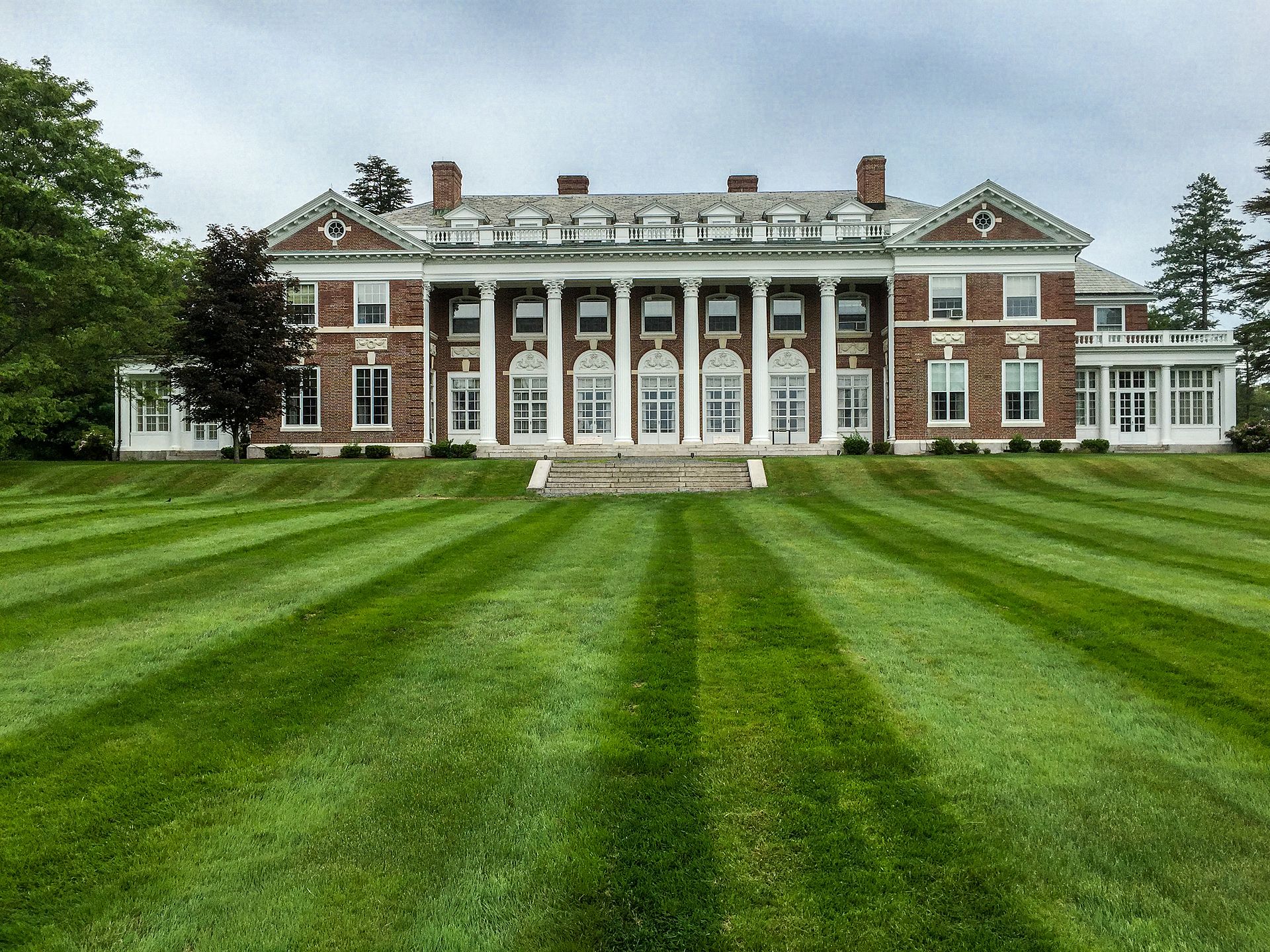
Last week Ryan attended a Gordon Research Conference on predictive ecology, held at Stonehill College just outside of Boston. The conference was motivated by a need for more quantitative predictions in ecology, in order to test our understanding of ecological systems and to aid conservation. Speakers came from a diverse array of disciplines, leading to many creative discussions. Ryan spoke about our lab’s work on testing predictions of mechanistic biodiversity models against data, including our recent experimental paper on intertidal communities. Several speakers discussed the recent success of machine learning at predicting ecological systems—surprisingly, in many cases these predictions are better than those based on traditional mechanistic models. Also of interest was the NEON Ecological Forecast Challenge, which encourages researchers to submit forecasts for a range of variables (e.g., beetle abundance, bird counts, and canopy leaf area) from the National Ecological Observatory Network (NEON), a network of 81 monitoring sites across the United States that began operation in 2019.
 Chisholm Lab